Never without my Mate: the Latin peace pipe.

Argentines and Uruguayans go everywhere with a shoulder bag that protrudes a Thermos. We see one, then two, then ten, and then, during a meeting between friends, we see ourselves handing a kind of shaman’s gourd accompanied by a « tomas mate? » (which means “do you drink mate?”). No reference with your “mate” friend but a Spanish word that you should pronounce “matey”. The thermos actually contains hot water in which we brew the precious mixture of dried leaves (Yerba mate, or “matey” ) and which we then aspire with a metal straw; before recharging it with water and passing it to you direct neighbor. So yes, then you would have, « tomado maté ». This ritual is much more than a moment of relaxation or a tea time with friends! Taking a look at the culture of the Mate in South America is essential to understand how these countries work. When we talk about the “Mate culture”, we mean as well the arboricultural culture, which is a major contributor to the export economy and the promotion of regional products from the south American area, as the traditional culture, a know-how, social behaviors and a South American way of life.

So, let’s have a look at this thousand-year-old drink that seduced both the revolutionary Che Guevara and the Pope, or even Madonna and Maradona!
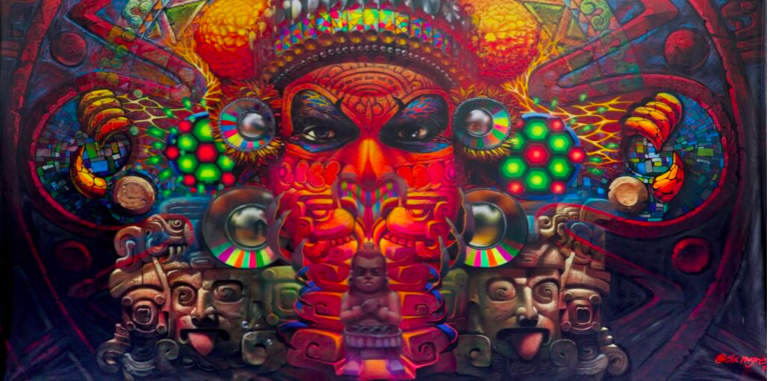
Cix Mugre: urban art is not only Banksy!

The artist Antonio Triana becomes “Cix Mugre” when he grabs his brush, his tattoo machine or some colors sprays. With his art, that may look like a great ayahuascan trip, he now covers walls of all around the world! Meet Cix !

🖌️ L’art du fileteado porteño : petit nouveau de l’UNESCO

L’art du fileteado, né et exclusif à Buenos Aires, rejoignait en 2016 la calligraphie chinoise, le cercle de capoeira brésilien, ou encore le café à la Turque sur la liste du patrimoine immatériel de l’humanité sauvegardé par l’UNESCO… mais qu’est-ce donc que le fileteado, si peu connu des Européens ?

In the land of Santa Claus, the Samis: the last indigenous people in Europe.

Living with his reindeer in Lapland, our dear red Coca-Cola Santa surely resembles the Samis (is he one of them?), this ancient and long despised people formed by the most commonly known as “Lapps”. But who are they? How many are they ? How do they live? Why were they despised? What remains of their culture? Let’s go and meet this people !

A Portuguese Folly ? Discover the Amazing Monserrate Palace!

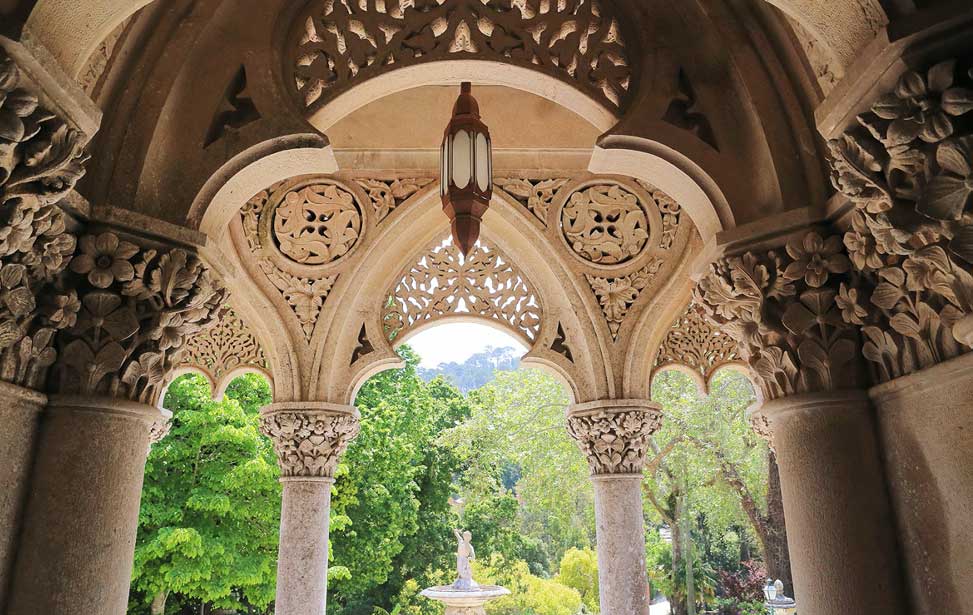
Going through it is a real change of scenery: pastel-colored walls, corridors of arcades divinely carved in stucco lace, a central atrium under a dome of finely chiseled wood, tiling subtly decorated with volutes, all ordered according to a circular plan … everything participates to create an intimate and mysterious atmosphere. We find ourselves far from the pomp or the rustic, from Versailles and its grandiloquence or from the old country house. No, this palace has its own look, and its own aire, that of a getaway in the 19th century as romantic as oriental!

Jamais sans mon maté : le calumet de la paix latino.

Argentins et Uruguayens se baladent partout avec un sac en bandoulière dont dépasse un Thermos. On en voit un, puis deux, puis dix, puis lors d’une réunion entre amis, on se voit tendre une sorte de gourde de chaman accompagnée d’un « tomas maté ? » (tu bois le maté ?). Ce rituel est bien plus qu’un moment de détente ! Jeter un oeil à la culture du maté en Amérique du Sud est primordial pour comprendre ces pays. Quand on parle de « culture » du maté, on entend tout aussi bien la culture arboricole hautement contributrice de l’économie d’exportation et de valorisation de produits régionaux de la zone, que de la culture traditionnelle, de savoir-être et de savoir vivre à la sud-américaine. Coup d’oeil sur cette boisson millénaire qui séduit tant le révolutionnaire Che Guevara que le pape, en passant par Madonna et Maradona !

Cix Mugre : le Street-Art ce n’est pas que Banksy !

L’artiste Antonio Triana devient « Cix Mugre » lorsqu’il se munit d’un pinceau, de sa machine à tatouer ou d’une bombe aérosol ! Depuis son Mexique natal, il a aujourd’hui montré son art coloré, étrange, futuriste, mystique, en grand et en large, dans plus de dix pays !

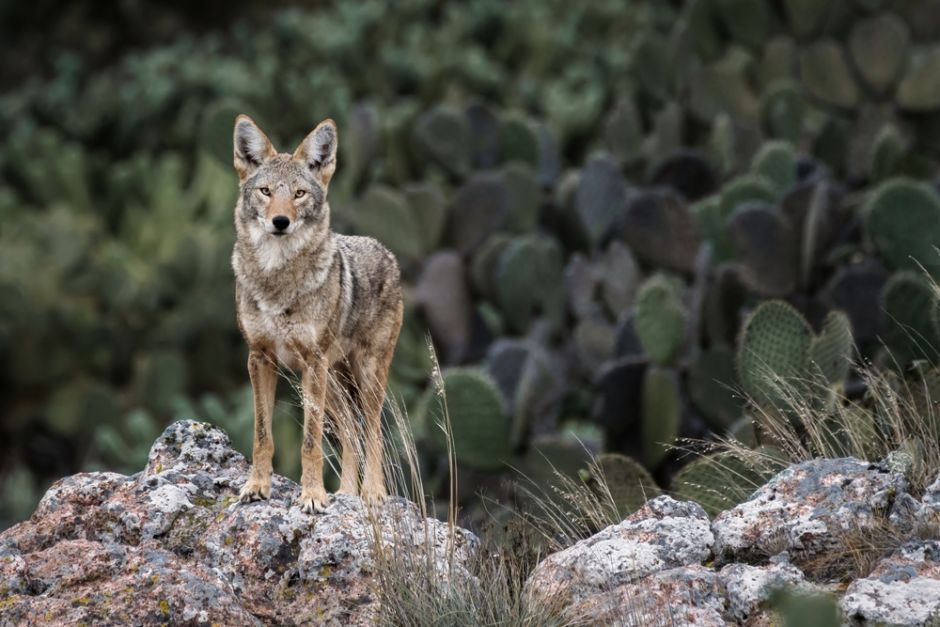
Le Roman de Coyote : le coyote, seul vrai « américain » ?

Sa présence et sa symbolique, des sociétés prés-colombiennes à l’artiste contemporain Joseph Beuys. Cet article se décompose en trois volets indépendants qui tour à tour aborderont l’importance du coyote en Amérique centrale (les Mayas et les Aztèques), pour les peuples d’Amérique du Nord (Cherokees, Crows, Sioux…) et enfin, la façon dont on se sert aujourd’hui de son aura totémique pour dénoncer les dérives de la culture occidentale. En filigrane, voyons comme il est étrangement lié aux divinités bien connues de notre continent…

Le Poke bowl : de la Polynésie aux hipsters

Saviez-vous que cela se prononce « pokaï » et non « poké » ? Et que cela vient de « morceaux » ou « coupé », en hawaïen ? Si oui, tant pis pour moi, j’arme le bon « il vaut mieux tard que jamais » ; sinon, peut-être que ces lignes retardataires peuvent tout de même apporter leur dose de connaissances nouvelles !